
I don’t know how this will work. There is so much to discover. Apertures and light. A camera is a room, so is a stanza. A paragraph has no etymological connection to a room, a space to be inside, but it has a spiritual one.
Here is what I am trying to say. I am tired of content. Not of substance, that which fills the room with meaning. Rather, I am tired of endless scrolls and other people’s designs, being trapped in infinite palaces where all the rooms look the same.
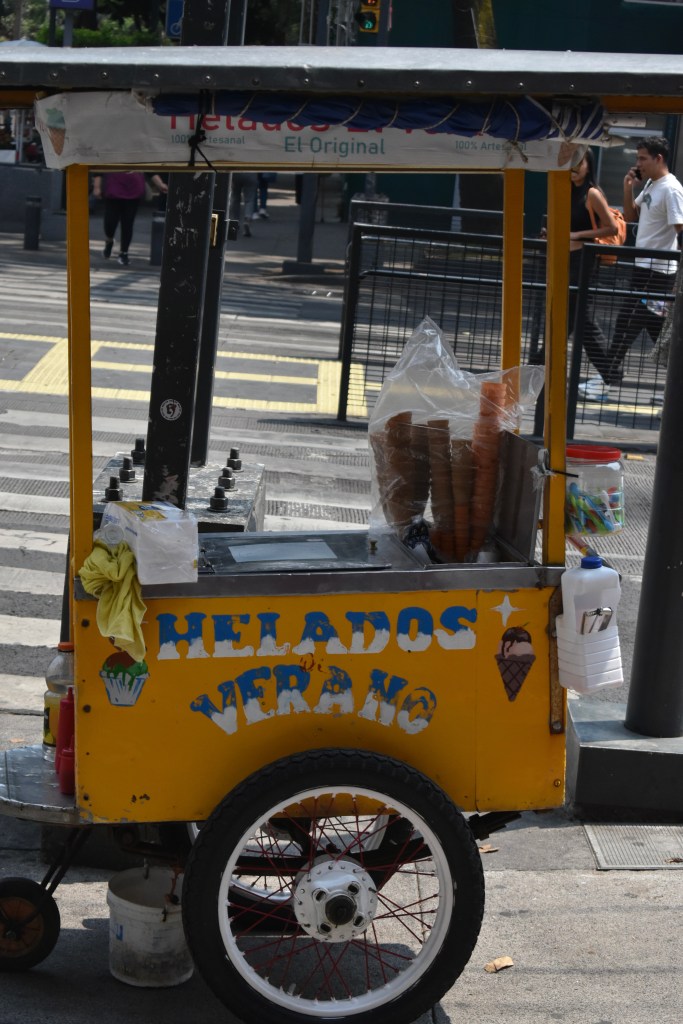
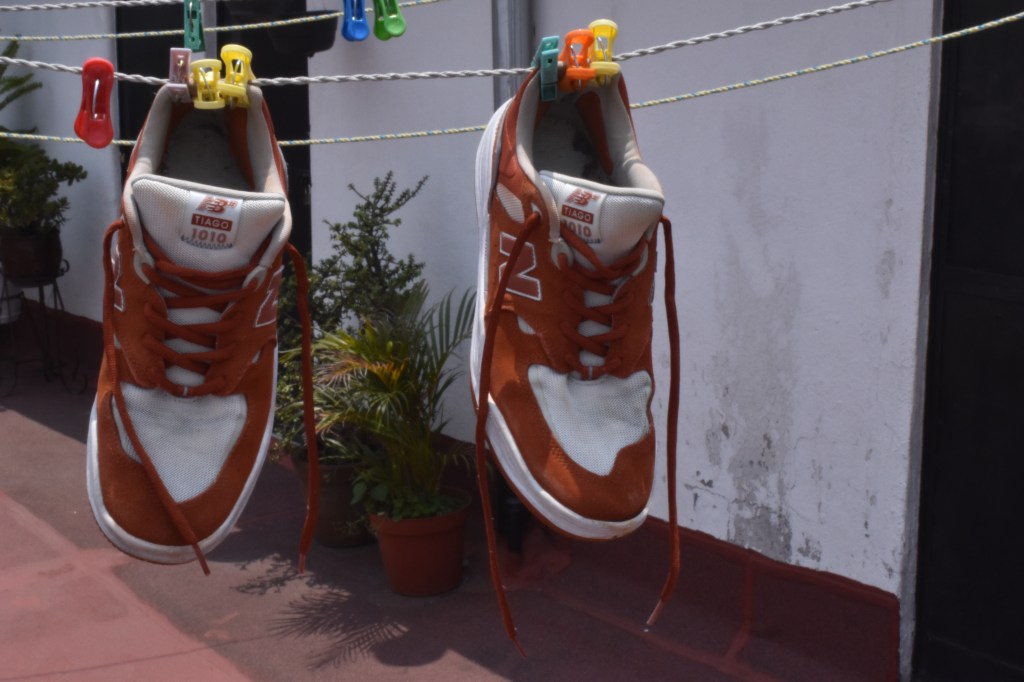
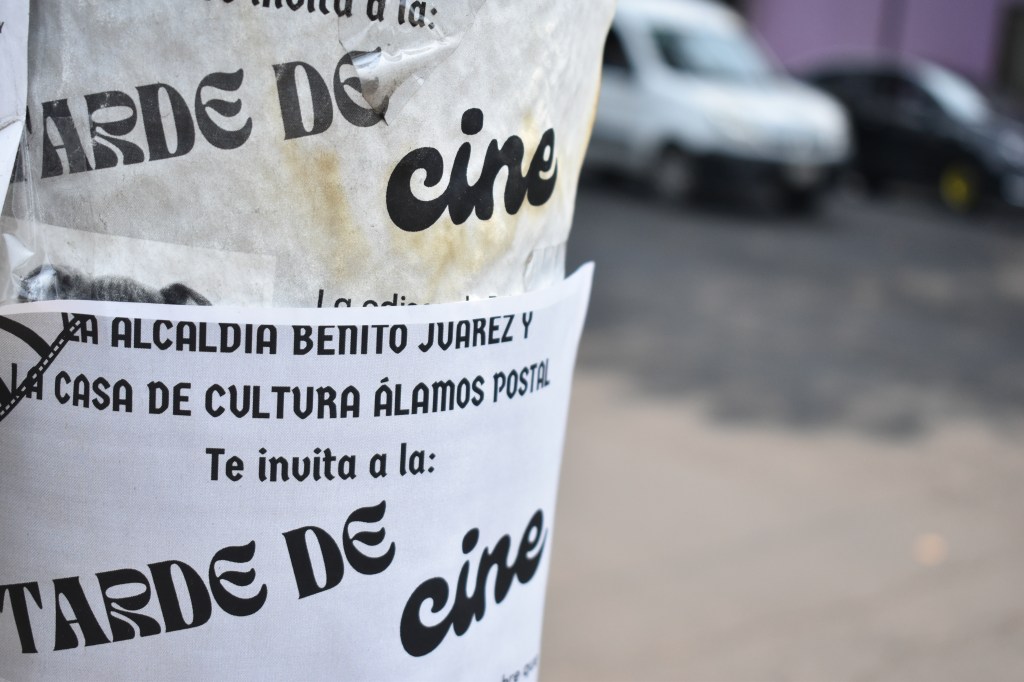
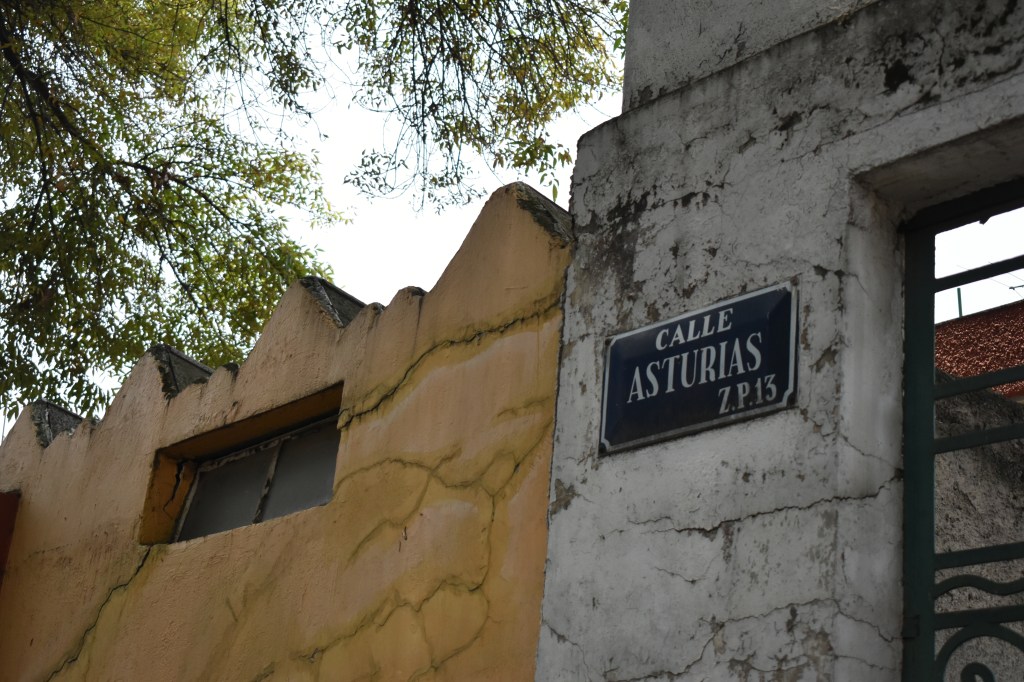
I am done, in other words, with Instagram. This may be a grandiose pronouncement from someone who is drunk on the high of handling a Nikon D5600, a powerful but still basically comprehensible digital camera that my wife, Atenea bought when photography peaked her own interest in the pandemic years. Now my efforts to catalogue the Mexico City streets we live on live side by side with her entries into family archives. My pictures are devoid of people for the moment, because of ethical concerns about capturing someone without their permission, or even with it. Hers burst with relatives, pride in small and large accomplishments, colleagues and friends.
We were talking about rooms. On Instagram, every room is the same. Every frame is the same. Every picture is filling a frame that I did not build, and creates an impression I have no control over, and no investment in, except that the frames used to be full of friends, relatives, colleagues. Now they are advertisements, outraged news items, dead children. I can not keep living like this. I can not keep providing images to run alongside, to distract from the murder of children in Gaza and the rest of Palestine. I can not keep up with all the losses to Fascism, and I can not get my hopes up with each resistance effort. I have to stay focused.
Focus on a camera is a matter of turning, twisting, moving in circles and spirals. We moved to Mexico City from New York in December. It is a return for Atenea, it is a return of sorts for me, and it is so wholly new. For a moment there, in the late winter, everything was chaotic and dim. I experienced a depth of homesickness I had not felt since my first week on Kibbutz Sde Eliyahu in the Galilee, where I felt a profound alienation from both the lonely world of Orthodox religious Zionists immediately around me and the home I had left some 5500 miles behind. That dimness is still in these photographs. I seem to be more pleased with the results of the camera when it takes in less light, when the shadows are longer, and it’s hard to make out the edges of things.
I survived that darkness, on Kibbutz, here in Mexico, the sense of being adrift in a massive world. While in Israel, the shadows lengthened and I ended up spinning out into the misery that would consume my 20s, in Mexico, I have been building. Building my writing practice. Building my Spanish skills. Building shelves for books. Building my family. Most of this is a metaphor — I should note Atenea’s uncle and a local furniture dealer built the shelves in our apartment — but out of the darkness, angles and sudden contrasts of light are appearing. The make an image. They leave a mark.
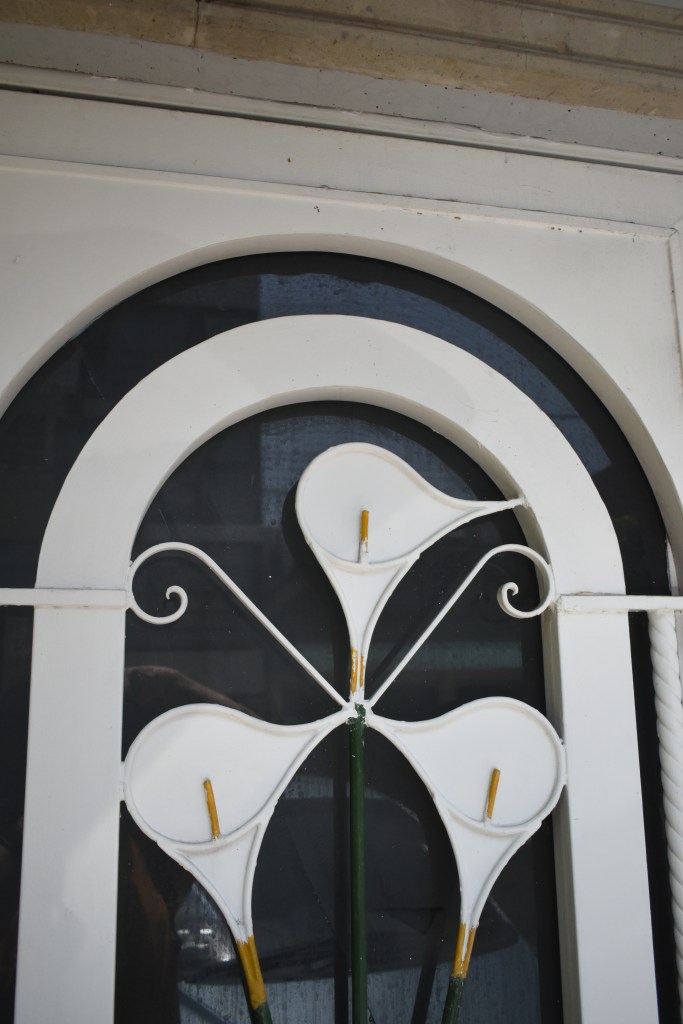
Photographs, marks made of light, whether on a digital sensor or on film, have a sheen of authenticity. They seal a version of the truth. That relationship with the Truth, with what has been noticed in reality, with what the light touches, might be what gives them beauty. I don’t know. I haven’t been at this very long. Just a week of taking pictures and thinking about them. A new friend from my MFA program in creative writing, which I graduated in January, is both poet and photographer. I asked them what they feel is mutually reinforcing about writing and photography. They said they think of themselves as not taking photographs “of” things, but rather “about” things. In this way, a photograph and a poem both must mean something, convey something.

I do not know what I want to say yet. About Mexico. About home. About light. About noticing. About truth. About frames. I just know I can’t say it with a social media post, that it has to be longer, a form of writing I control, a shape of my own design.
This is not to say I will never be on social media again. The devil is useful. I have often hated the idea of a necessary evil. Necessary to whom, and for what end? But it is true we all have a relationship with evil. In my case, I use social media to know about options and opportunities in the literary world, to know who is a bad actor or scam or cruel person to not be trusted, to promote my own work as it appears in publications, and even — still! — to talk to friends.

For many years social media reflected me, and like all reflections, it was stealing a bit of me, thinning me out, capturing my soul and not giving it back. We talk often about social media as a place of carefully curated personas. Even this gives these things too much credit. How can you carefully curate a persona inside someone else’s mind? Instagram, Facebook, Twitter, they all reflect the ideas of their creators. Not our ideas, no matter how well we appease the algorithm, play to their strengths, it is always their strengths. Never ours.
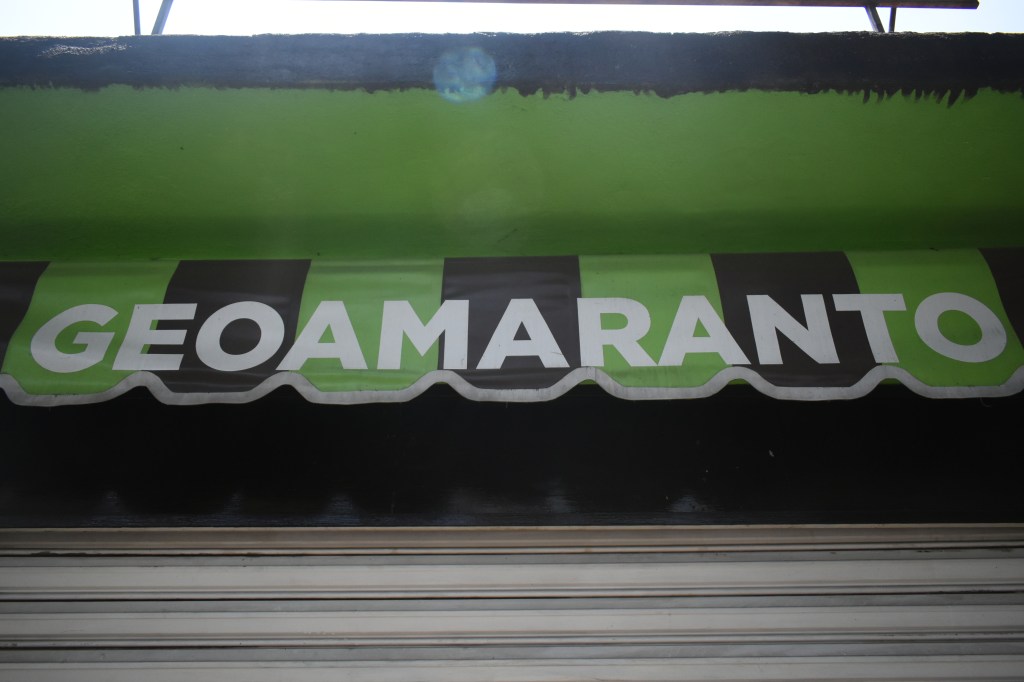
I’m not leaving, not exactly. You’ll see me, I’ll say hello, I’ll be around and available. But something must change. I can’t feed hungry mouths content forever. I need to start making art. Take a picture. Write an essay. As for how you’ll see it? Well maybe I’ll publish in a magazine. Who knows, I could try for a gallery show sometime. A book. Or maybe I’ll just put it on my blog.

 Mordecai Martin, Writer
you are such a treasure
LikeLike
Mo – I gotta say, I really, really like your photographs. Kol HaKavod. Abba
LikeLike